

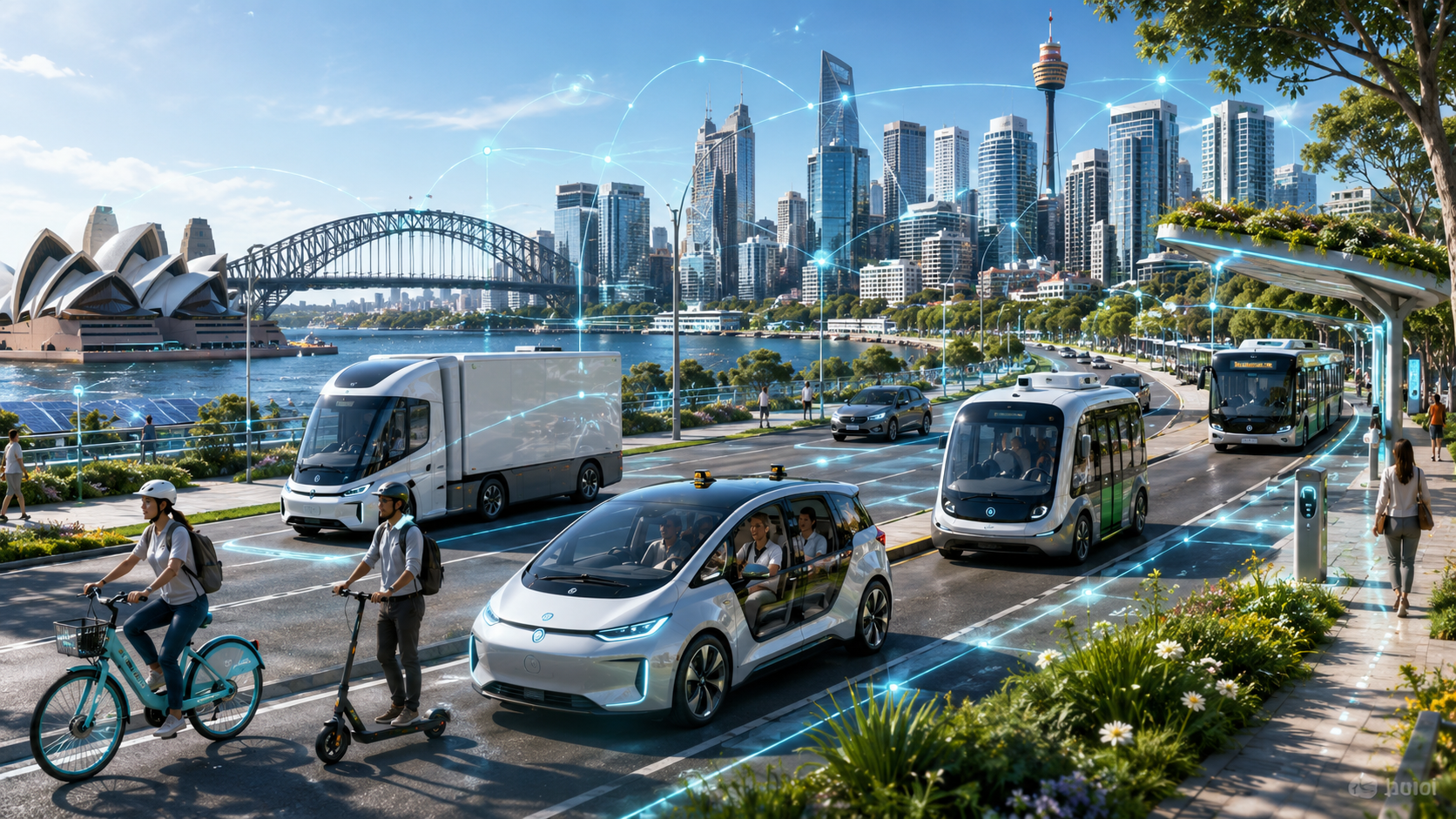
The Australian transport sector is witnessing a remarkable shift, propelled by start-ups leveraging technology to deliver smarter, more sustainable mobility solutions. From digital platforms to electric and autonomous vehicles, these innovators are redefining commuting, logistics, and urban transport planning.
A central trend is the adoption of Mobility-as-a-Service (MaaS) platforms. Companies like GoGet and Orix Mobility provide integrated services that combine public transit, ride-sharing, e-scooters, and bike-sharing. Users can access all modes of transport via a single application, simplifying route planning, booking, and payments. By offering flexible and environmentally friendly alternatives to car ownership, MaaS platforms improve urban mobility while reducing congestion and emissions.
Electric vehicle technology is another transformative area. Australian start-ups such as SEA Electric are developing battery-powered commercial vehicles that lower fuel consumption and reduce carbon emissions. These vehicles also benefit from reduced maintenance costs, and government incentives further encourage fleet electrification. As battery technology improves, electric mobility becomes increasingly viable, supporting sustainable transport goals nationwide.
Artificial intelligence is central to improving transport efficiency. Start-ups like RazorLabs deploy AI systems to predict traffic patterns, optimize delivery schedules, and enhance fleet performance. These solutions provide valuable insights for transport operators and city planners alike, enabling smarter decision-making and reducing congestion. AI also enhances safety by identifying patterns that could lead to accidents, contributing to more secure transport networks.
Autonomous vehicle initiatives are emerging as well. Companies such as Aurrigo Australia are piloting self-driving shuttles, exploring their potential in urban commuting. While full-scale adoption is pending regulatory approval, these programs are essential in understanding the implications of driverless technology, from safety and efficiency to infrastructure adaptation. Collaboration between start-ups, universities, and regulators ensures responsible deployment of autonomous transport solutions.
Start-ups are also innovating in urban logistics, particularly in last-mile delivery. AI-enhanced routing, robotic couriers, and electric delivery vans help reduce congestion and improve delivery speed. As e-commerce continues to grow, these technologies offer scalable solutions for efficient, environmentally responsible urban deliveries.
Funding is crucial to fuel these innovations. Venture capital interest is increasing, while government grants from organizations like the Australian Renewable Energy Agency (ARENA) provide vital support for research and development. This combination of private and public investment allows start-ups to test prototypes, expand operations, and compete in the global transport technology market.
Australian start-ups are revolutionizing transport through MaaS platforms, electric fleets, AI-driven analytics, autonomous vehicles, and sustainable logistics. These innovations improve efficiency, reduce environmental impact, and enhance accessibility, establishing Australia as a hub for transport technology innovation and shaping the future of mobility.