

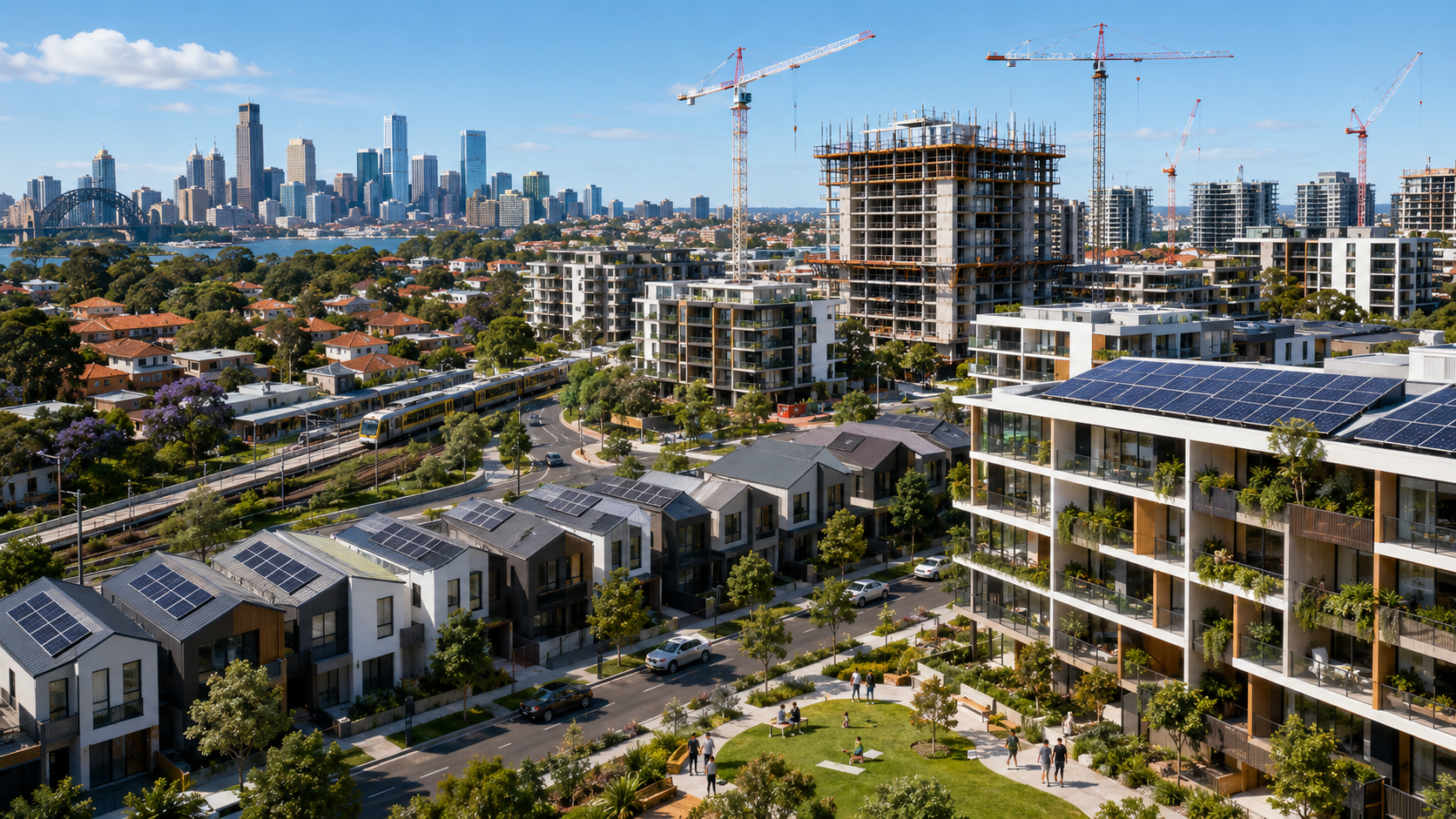
Australia’s property companies are facing a housing market that is both demanding and full of potential. The need for new homes remains strong, particularly in cities and regions experiencing population growth. At the same time, the industry is dealing with affordability challenges, higher construction expenses, planning complexity, and changing lifestyle preferences. These conditions are influencing how developers choose sites, design projects, price homes, and work with investors, governments, and communities.
Residential property development is closely linked to demographic trends. When population increases, demand rises for houses, apartments, rental homes, schools, shops, roads, and public transport. This is why property companies often focus on areas with strong employment, infrastructure spending, and long-term growth prospects. Suburban growth corridors, urban renewal precincts, and transport-connected neighborhoods have become important targets for residential development. Buyers are not only looking for a home; they are looking for convenience, accessibility, and quality of life.
Supply shortages remain one of the most serious issues in the Australian housing market. Even when developers are ready to build, projects can be delayed by planning approvals, infrastructure coordination, financing conditions, and shortages in construction labor. Rising material costs can also reduce profit margins and force companies to redesign projects or adjust prices. Because of this, successful property companies must be disciplined in financial planning and flexible in project delivery.
Affordability pressures have encouraged a move toward more varied housing options. In many established suburbs, detached houses are too expensive for first-home buyers and many middle-income households. Developers are responding with townhouses, apartments, duplexes, and smaller-format homes. These projects can increase housing supply while making better use of land. Medium-density housing is especially important because it can provide more homes without creating the scale or intensity of very high-rise development.
The rental sector is another area of transformation. A growing number of Australians are renting for longer periods, either because of affordability barriers or lifestyle choice. This has created interest in build-to-rent communities, where apartments are developed specifically for rental occupation and professionally managed by a single owner or operator. These projects can offer shared amenities, reliable maintenance, flexible living arrangements, and a stronger sense of community than many traditional rental properties.
Sustainability is now a key consideration for Australian property companies. Energy-efficient homes are increasingly attractive because they can reduce utility bills and improve comfort. Developers are using better insulation, solar power, efficient appliances, water-saving systems, and landscaped green spaces to make housing more environmentally responsible. Climate resilience is also becoming more important, especially in areas exposed to heat, flooding, bushfire risk, or extreme weather.
Technology is helping the industry adapt. Property companies use data to understand buyer demand, digital platforms to market developments, and design software to coordinate construction. Smart home features and improved building systems are also becoming more common, especially in newer apartment and townhouse projects.
The future of Australian property development will depend on the ability to provide homes that are affordable, sustainable, well-located, and suited to modern lifestyles. Companies that can solve practical housing problems while creating attractive communities will continue to shape Australia’s residential landscape.