

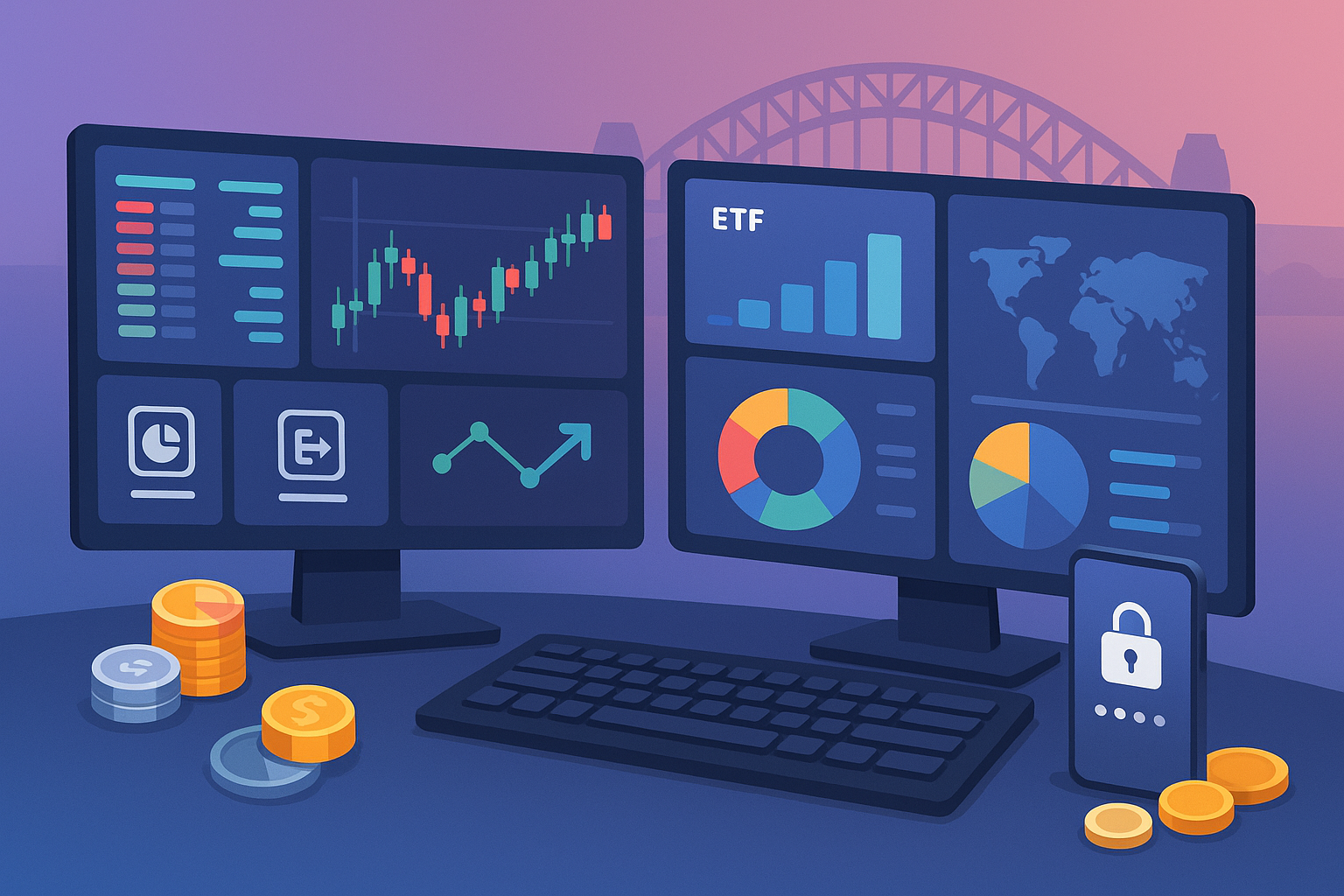
Australia’s trading platforms are evolving rapidly, shaped by competition between ASX and Cboe Australia, rising investor sophistication, and a global tilt toward multi-asset investing. One foundational theme is ownership clarity. CHESS-sponsored brokers continue to win loyalty from long-term holders who value direct title and HIN-based transparency, while custody brokers push the envelope on international access, fractional investing (especially for US shares), and modern UX.
Execution technology is stepping up. Smart order routing seeks better outcomes across venues, and conditional orders once reserved for pros have gone mainstream: bracket orders, OCO logic, and trailing stops help retail traders systematize risk. As liquidity fragments, depth of market and auction tools matter more; platforms that visualize imbalance ahead of the open and close give intraday traders an edge.
Data democratization is another pillar. Live quotes at the top of the book are near-ubiquitous; investors can add depth, time-and-sales, and historical intraday data via subscriptions. Charting has improved with embedded engines offering multi-timeframe layouts, custom indicators, and scripting. Some brokers expose developer-friendly APIs, letting quants pull live data, place orders programmatically, and backtest alpha using Python notebooks or connected terminals. Where FIX access exists, institutions and advanced individuals can integrate their own EMS.
On the back-end, the trade lifecycle revolves around T+2 settlement and CHESS recording. Australia has explored modernizing clearing infrastructure and continues to plan upgrades; for clients, this mostly surfaces as smoother corporate action handling, faster reconciliations, and richer reporting. Security remains front and center: hardware-backed keys on mobile, 2FA, behavioral analytics to spot account takeover attempts, and rigorous segregation of client money under AFSL obligations.
The investor toolkit is broadening. ETF screeners now track spreads, liquidity, tracking difference, and distribution cadence. Portfolio analytics classify by sector, factor, and region, calculating performance versus ASX or global benchmarks and layering in franking credits for dividend investors. Tax tooling has matured: parcel selection controls, CGT estimates, and one-click exports reduce friction each financial year.
Multi-market access is practically a standard request. Australians want ASX and Cboe for domestic exposure but also US, Europe, and parts of Asia. The best experiences pair local CHESS holdings with an international custody arm, unified watchlists, and multi-currency wallets that avoid unnecessary FX churn. Transparent conversion spreads and the ability to keep proceeds in foreign currency are valuable for active global traders.
For newcomers, smooth onboarding, bank transfers via PayID, and guided learning paths make a difference. For veterans, uptime, latency, and advanced order control are decisive. Regardless of experience, prioritize licensed providers under ASIC, scrutinize total cost (brokerage, data, FX, margin), and test drive charting and alerts before committing significant capital. The Australian market now offers platforms for every approach—from quiet dividend compounding to code-driven intraday strategies—so the best choice is the one that matches your habits as much as your goals.