

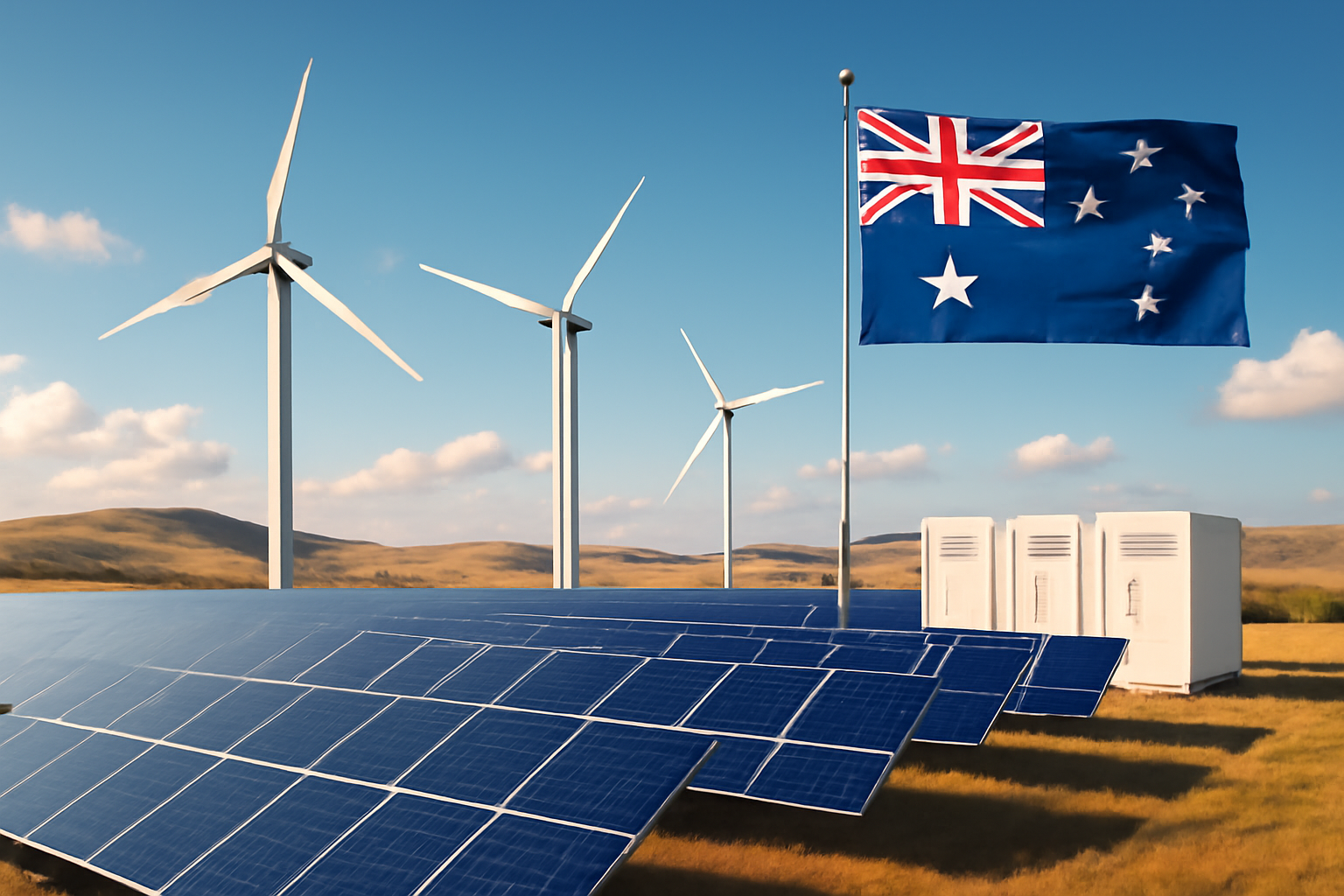
The renewable energy sector in Australia is rapidly expanding as the country takes significant steps toward a cleaner, more sustainable energy future. Leveraging its vast natural resources and favorable environmental conditions, Australia has become a hub for renewable energy investment, with a strong focus on solar, wind, and energy storage technologies. These sectors not only offer solutions to mitigate climate change but also create long-term economic opportunities for the country.
Australia’s solar energy potential is one of its most significant advantages. The country receives high levels of sunlight throughout the year, making it an ideal location for solar power generation. The installation of solar panels has increased dramatically, with both residential and commercial sectors embracing solar energy as a cost-effective alternative to traditional fossil fuels. Large-scale solar farms are also playing a crucial role in the nation’s energy transition, contributing substantial amounts of clean energy to the grid.
Wind energy is another critical component of Australia’s renewable energy portfolio. With its vast coastlines and strong winds, the country has been able to develop a growing number of wind farms, particularly in regions such as Victoria, South Australia, and Tasmania. Wind energy plays a central role in Australia’s renewable energy strategy, and its continued expansion will help the country achieve its climate targets.
The Australian government has been proactive in supporting renewable energy development, offering policies and incentives to encourage private sector involvement. Initiatives like the Renewable Energy Target (RET) and funding from the Clean Energy Finance Corporation (CEFC) have helped attract investment into the sector. These policies have provided investors with the confidence needed to fund large-scale renewable energy projects, from solar farms to wind turbines.
Private investment is a crucial driver of Australia’s renewable energy growth. Both Australian and international investors are flocking to the sector, drawn by the stable regulatory environment and the country’s abundant renewable resources. Investments in clean energy technologies are expected to continue growing, especially as energy storage systems become more advanced and affordable. These technologies are key to overcoming the intermittency challenges associated with renewable energy sources.
Furthermore, Australia’s renewable energy sector is creating new job opportunities across the nation. As new projects are developed, the demand for skilled workers in construction, engineering, and operations is increasing. The renewable energy boom is also stimulating economic growth in regional areas where renewable infrastructure is being built, providing jobs and supporting local communities.
Looking ahead, Australia’s renewable energy sector is set to grow even further. With a focus on sustainable practices and global efforts to combat climate change, the country is well-positioned to remain at the forefront of renewable energy development. As the sector continues to expand, Australia will likely remain a key player in the global transition to a greener, more sustainable energy future.