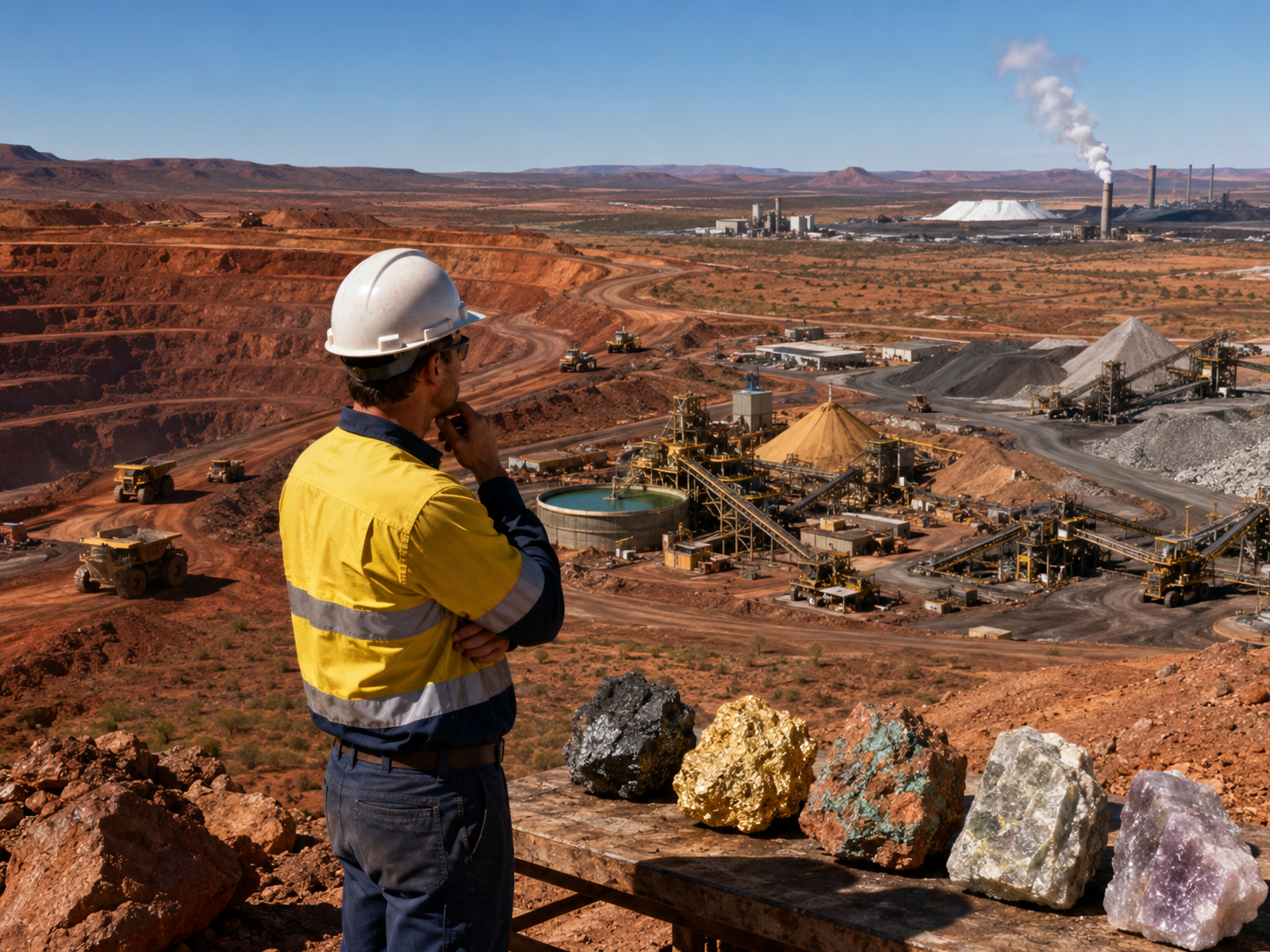
No discussion of the Australian small-cap comeback is complete without acknowledging the elephant in the room—or rather, the gold mine. The S&P/ASX Small Resources Index returned 73.0% in 2025, with approximately half of that exposure tied to gold, as the yellow metal rose 64.4% in US dollar terms . Operational leverage, improving cost control, and production upgrades at companies like Genesis Minerals translated a commodity price move into outsized equity returns.
That trade worked. But the question every small-cap investor is now asking is whether the resources rally broadens beyond precious metals, or whether the sector consolidates while waiting for the next catalyst.
The Case for Commodity Catch-Up
Several forces support the view that other commodities may close the performance gap in 2026. Expected US interest rate cuts should stimulate global growth while acting as a headwind for the US dollar—historically a supportive backdrop for commodity prices denominated in the greenback . Simultaneously, the re-industrialisation of Western economies, driven by spending on energy security, defence, and domestic manufacturing, is creating incremental demand for a range of materials, particularly those critical to electrification .
Copper stands out for its dual exposure to renewable energy investment and AI data centre demand, alongside supply disruptions and limited new project development. Uranium benefits from energy security concerns, rising electricity demand from AI, and supply challenges at major producers . Lithium, after a period of painful oversupply, shows signs of rebalancing faster than expected, with Chinese EV demand remaining resilient and energy storage system demand providing upside risk .
The Cautionary Signal from IPO Markets
Not every signal is encouraging. Livewire Markets noted in January 2026 that several small IPOs listed in the latter half of 2025 were trading materially below their listing prices, suggesting the window for new issuance may be closing again . This is a classic late-cycle indicator—when the market’s appetite for new supply wanes, it often precedes a period of consolidation or renewed selectivity.
For investors, the implication is not to abandon resources but to differentiate. The gold miners with genuine production growth and improving grades—such as Bellevue Gold, where hedge book roll-offs coincide with elevated prices—retain appeal . But the broader opportunity may lie in commodities where sentiment remains lukewarm and investor allocations are low. As the Livewire analysis put it, with gold being the exception, sentiment across commodities continues to be tepid . That is often precisely where the next leg begins.
Selectivity Over Sector Calls
The resources renaissance of 2025 rewarded exposure. The next phase will reward precision. Small-cap investors who simply buy the index are buying a concentrated bet on gold prices staying elevated and a handful of producers executing perfectly. Those who look through the sector will find a more varied landscape: copper developers with long mine lives, uranium exposure tied to structural energy demand, and lithium names where the market has priced permanent oversupply into a rebalancing story. The rotation may not be dramatic, but it is likely to be where the incremental returns are earned.