

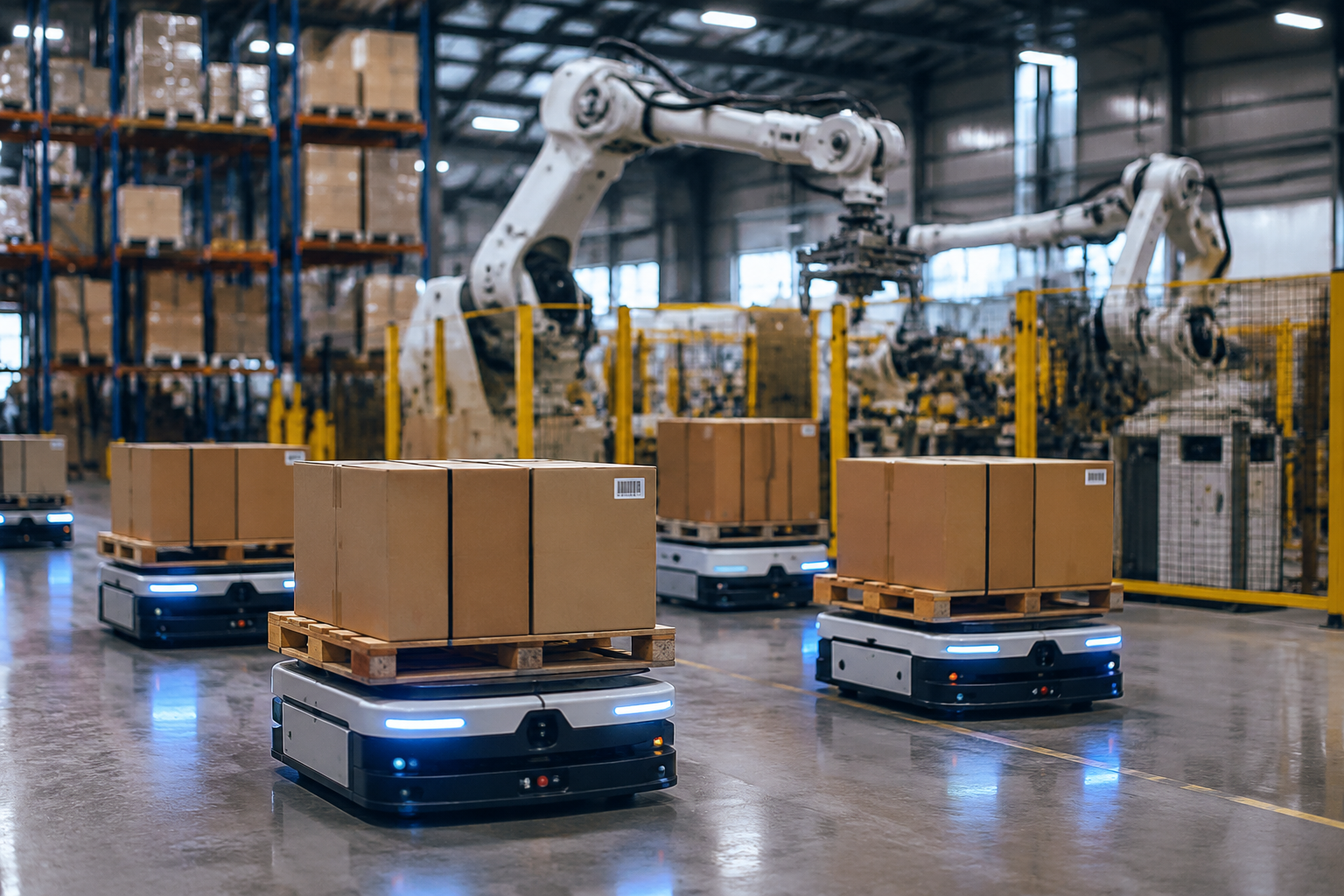
Australia’s robotics startups are not simply assembling imported hardware. They are building core technologies in computer vision, AI-based planning, advanced sensors and autonomous navigation. These capabilities underpin the country’s industrial automation push and explain why local startups are winning contracts in demanding environments.
Computer Vision Is the Common Denominator
Whether a robot picks fruit, sorts waste or inspects a pipeline, it needs to see and understand its environment. Australian startups have developed machine vision systems that work in difficult lighting, dust and rain. Lyro Robotics, for example, uses deep learning to identify and grasp objects with minimal training data. CSIRO’s robotics research, detailed at csiro.au, has spun out several vision-based startups and continues to provide scientific expertise.
Autonomous Navigation in GPS-Denied Environments
Mines, warehouses and indoor facilities often block satellite signals. Advanced Navigation has built inertial navigation systems, LiDAR-based SLAM and sensor fusion algorithms that allow robots to know where they are without GPS. This capability is critical for underground mining, subsea operations and indoor logistics. It gives Australian companies a competitive advantage in environments that many international rivals avoid.
The Shift to Edge AI
Running AI algorithms on the robot itself, rather than in the cloud, is a growing priority. Edge AI reduces latency, improves security and allows robots to operate in areas with poor connectivity, which is common in remote Australia. Startups are optimising models to run on low-power processors, extending battery life and reducing hardware costs. This is particularly important for field robots that must operate for hours without network access.
Advanced Sensors and Ruggedised Hardware
Australia’s harsh environment demands sensors that can handle heat, vibration and moisture. Startups are developing custom LiDAR, radar and hyperspectral imaging systems. Some are also working on tactile sensors for robotic gripping. This hardware focus differentiates Australian companies from pure software players and makes their systems suitable for mining, agriculture and defence applications.
Interoperability and Fleet Management Software
As companies deploy multiple robots from different vendors, they need software to coordinate fleets. Australian startups are building open platforms that connect robots, warehouse management systems and enterprise resource planning tools. Interoperability reduces the risk of vendor lock-in and is becoming a key selling point for industrial customers.
AI Safety and Certification
Autonomous systems must be safe around humans. Australian researchers are contributing to international safety standards for mobile robots and autonomous vehicles. Certification processes are still evolving, but companies that embed safety by design are finding faster paths to market. This is especially important for defence, mining and healthcare applications where failures carry high costs.
The technology stack emerging from Australia in 2026 is not a single breakthrough but a combination of practical innovations. By focusing on reliability in difficult conditions, startups are building automation that works where it is needed most.