

Consumer Preferences in 2026: Beyond Basic Nutrition
Australian shoppers in 2026 are no longer satisfied with products that merely fill a hunger gap. They want food and beverages that deliver specific functional outcomes, support environmental goals, and reflect local identity. This shift is reshaping product development across dairy, bakery, snacks, and beverages. Food Frontier’s latest plant-based market data, available at https://www.foodfrontier.org/, shows that the plant-based sector has matured beyond burgers and mince into seafood alternatives, ready meals, and high-protein dairy substitutes, with sales growing steadily across mainstream supermarkets.
Plant-Based Evolution and Alternative Proteins
Oat milk has become a staple rather than a trend, appearing in cereal, cooking, and even confectionery. Macadamia milk, hemp milk, and blended plant proteins are also gaining traction. The next wave includes precision-fermented dairy proteins and mycelium-based whole cuts, which offer the texture of meat without the environmental footprint. Australian companies are investing in local production of fava bean and lupin protein isolates, reducing dependence on imported soy and pea protein. Consumers are choosing these products not necessarily because they are vegan, but because they perceive them as lighter, more digestible, and lower in saturated fat.
Native Botanicals Gain Mainstream Appeal
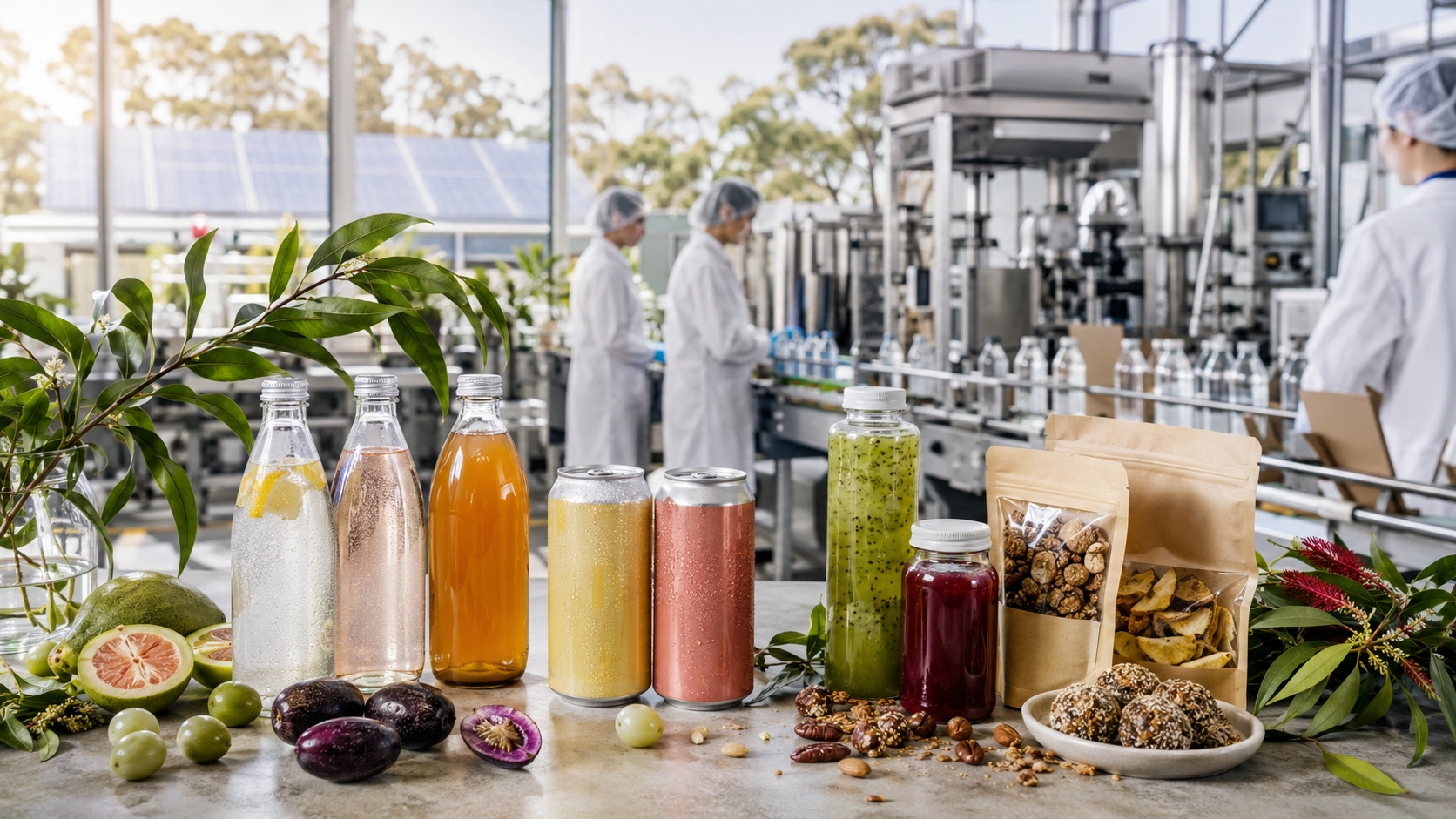
Ingredients such as wattleseed, finger lime, Davidson plum, and saltbush are moving from fine dining into everyday products. Breakfast cereals now feature roasted wattleseed for a nutty, coffee-like flavour; sparkling waters use finger lime for a citrus lift; and snack bars incorporate Davidson plum for natural colour and tartness. This trend is supported by partnerships between manufacturers and Indigenous-owned suppliers, ensuring ethical sourcing and cultural recognition. The result is a distinctly Australian product range that also appeals to export markets seeking novel flavours and functional antioxidants.
Functional Beverages and Mental Wellness
Beverages designed to support mental clarity, relaxation, and sleep are among the fastest-growing categories. Ready-to-drink teas with L-theanine, magnesium-infused waters, and adaptogenic hot chocolates are targeting consumers who want stress relief without alcohol. Non-alcoholic spirits and botanical sodas are also expanding, driven by younger consumers who moderate alcohol intake but still seek complex flavours. This shift is encouraging beverage companies to invest in low-temperature extraction and aseptic packaging to preserve delicate active compounds.
Industry Response: Innovation in Action
A vivid example is the growth of native botanical beverage lines. Australian distilleries and soft drink makers are now producing zero-alcohol amaro-style drinks using quandong and river mint. These products are being exported to Europe and North America, where “Australian native” has become a marker of authenticity and wellness. Retailers are creating dedicated “Australian pantry” sections, further amplifying the trend. This convergence of plant-based eating, native ingredients, and functional wellness is giving Australian food and beverage companies a unique global position.
Shaping the Next Chapter
The consumer shift is not a passing fad. It reflects deeper values around health, sustainability, and cultural connection. Brands that embed these values into their sourcing, processing, and storytelling are likely to define the Australian F&B sector for the rest of the decade.