

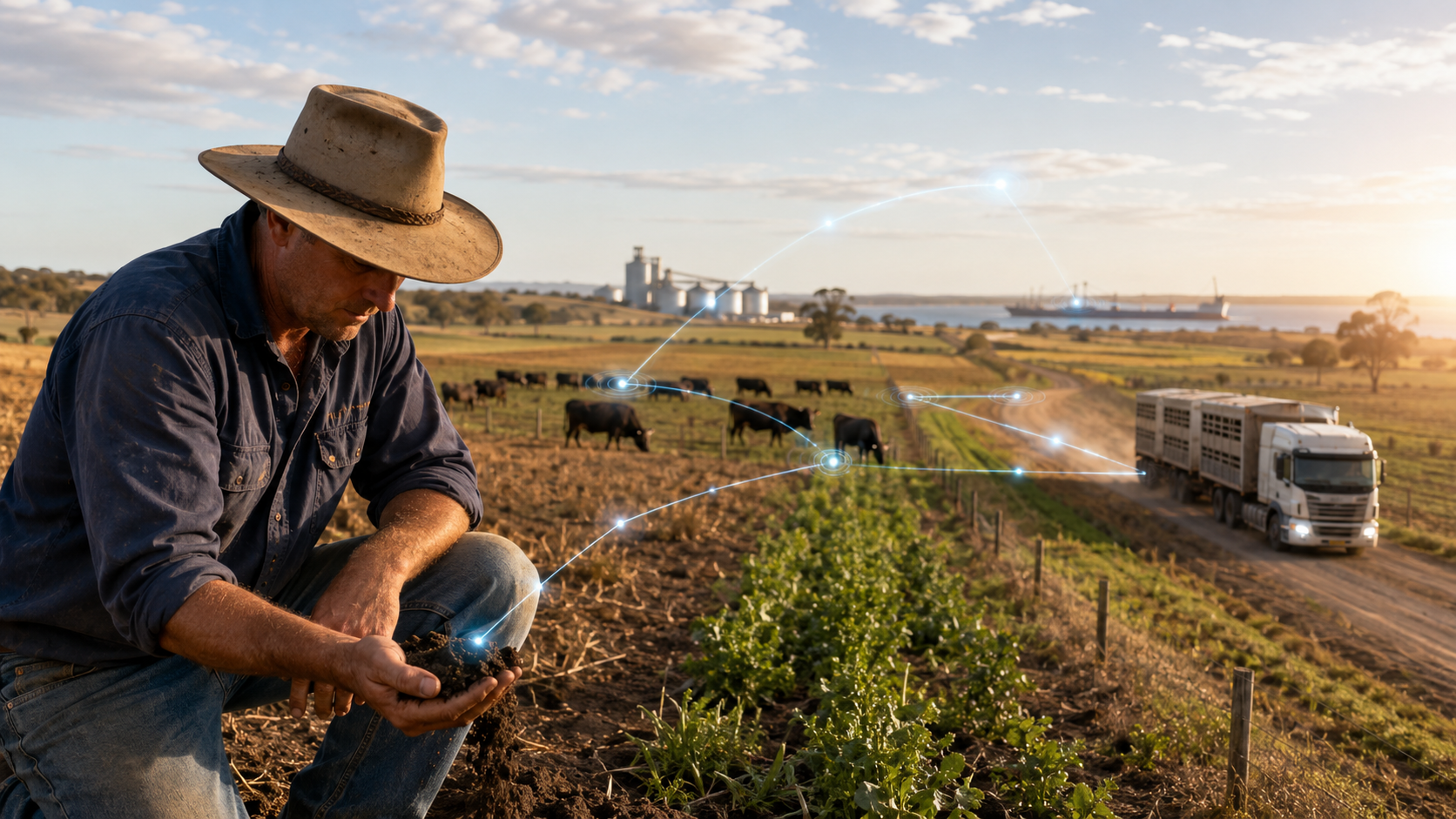
Australia’s food processing sector—from rice mills in the Riverina to sugar refineries in Queensland—is swapping fossil fuels for solar, batteries and green ammonia. This energy transition is not just an emissions story; it is also a domestic food security strategy.
The Energy Transition Reaches Australia’s Food Processing Plants
Food and beverage manufacturing accounts for around 20 percent of Australia’s manufacturing energy use. Large mills, abattoirs and cold stores have traditionally relied on gas and grid electricity. Now, heat pumps, electric boilers and solar thermal systems are replacing gas-fired equipment. A multi-megawatt rooftop solar array can power grain drying, refrigeration compressors and packaging lines, cutting energy costs by 30 to 50 percent.
Solar-Powered Grain Mills and Cold Storage
Several large rice and flour mills have installed solar arrays with battery storage to run daytime operations and store energy for night shifts. Cold storage facilities, which must run 24/7, are using phase-change materials and smart controls to reduce peak demand. These upgrades lower exposure to volatile gas prices, which spiked during recent global energy shocks and threatened to halt production.
Green Ammonia Could Decarbonise Fertiliser Supply
Nitrogen fertiliser is essential for Australian broadacre agriculture, but conventional ammonia production emits around 2 tonnes of CO₂ per tonne of ammonia. Green ammonia, made by combining renewable hydrogen with nitrogen from the air, offers a low-carbon alternative. Incitec Pivot and other manufacturers are exploring renewable hydrogen hubs in Western Australia and Queensland to produce green ammonia at scale. If successful, this would cut emissions across both the energy and fertiliser supply chains.
ARENA’s 2026 Industrial Energy Transformation Funding
The Australian Renewable Energy Agency (ARENA) has prioritised industrial decarbonisation. The 2026 Industrial Energy Transformation funding round, detailed at ARENA Industrial Energy Transformation, allocated A$1.5 billion to projects including food processing electrification, renewable heat and green hydrogen feedstock trials. This public investment is designed to de-risk private capital and accelerate adoption across mid-sized processors.
Lower Emissions, Stronger Domestic Supply Chains
Electrification and renewable energy also improve energy resilience. A solar-powered processing plant can keep operating during grid disruptions caused by storms or heatwaves, ensuring that milk, meat and vegetables are not wasted. This reduces reliance on imported diesel and gas, making Australia’s food supply less vulnerable to geopolitical shocks.
By greening the middle of the supply chain, Australian agribusiness is protecting both the environment and the nation’s ability to feed itself.