

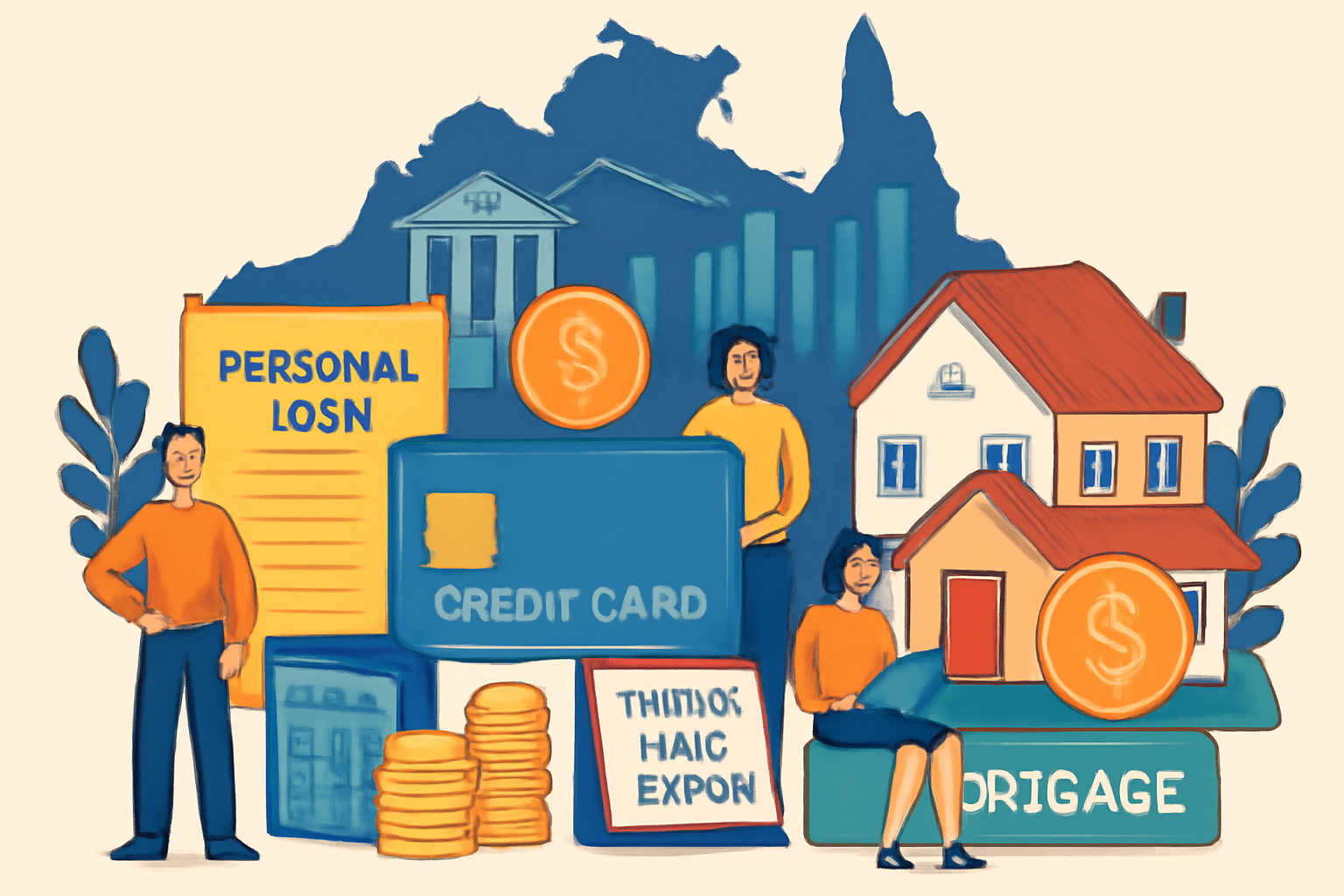
The credit landscape in Australia is an essential part of the country’s financial ecosystem, offering Australians access to various financial products that help them meet personal financial goals, purchase property, and manage everyday expenses. From personal loans to mortgages, understanding how consumer financing works and the nuances of the mortgage market is critical for making informed financial decisions.
Consumer Financing: A Crucial Component of Australian Finance
Consumer financing refers to the credit products that Australians use to manage personal expenses and improve their financial flexibility. These products range from personal loans to credit cards and buy-now-pay-later (BNPL) services, each catering to different consumer needs.
Personal loans are one of the most common forms of consumer credit in Australia. These loans are typically unsecured, meaning that they do not require collateral. They can be used for a variety of purposes, such as debt consolidation, home improvements, or major purchases. Personal loans usually come with a fixed interest rate, making repayment amounts predictable over the loan’s term. This makes them a favorable option for borrowers looking for a structured repayment plan.
Credit cards are another widely used financial tool in Australia, providing consumers with flexible payment options for everyday expenses. However, credit cards come with high interest rates, which can quickly lead to significant debt if the balance is not paid off each month. While credit cards offer rewards and other benefits, they also require disciplined financial management to avoid costly interest charges.
Buy-now-pay-later services have recently gained popularity in Australia, especially among younger consumers. Services like Afterpay and ZipPay allow individuals to make purchases and pay for them in installments, often without any interest charges if payments are made on time. While BNPL services provide flexibility, they can also lead to problems if consumers miss payments, potentially resulting in late fees or the accumulation of debt.
Mortgages: Key to Homeownership in Australia
In Australia, owning a home is a key aspect of financial security and stability for many individuals and families. Mortgages provide the means to purchase property, and the Australian mortgage market offers a range of products designed to meet the needs of different borrowers.
The two main types of mortgages in Australia are fixed-rate and variable-rate loans. Fixed-rate mortgages offer borrowers the certainty of a set interest rate for a predetermined period, usually ranging from one to five years. This provides stability in monthly repayments, which can be helpful in budgeting. In contrast, variable-rate mortgages are subject to market fluctuations, meaning that interest rates can rise or fall over time. While variable-rate mortgages can offer lower rates during times of low interest, they also come with the risk of increased repayments if interest rates rise.
The mortgage market in Australia has become increasingly competitive, with banks and non-bank lenders offering a variety of loan products with different features and benefits. Homebuyers can choose from options such as interest-only loans, offset accounts, and split loans, depending on their financial situation and preferences. Many lenders also offer first-time homebuyer programs, which provide financial assistance and reduced deposit requirements for those entering the housing market.
Regulatory Framework and Consumer Protection
The credit sector in Australia is heavily regulated to ensure that financial products are offered in a responsible manner and that consumers are protected from unfair practices. The Australian Securities and Investments Commission (ASIC) oversees consumer credit, ensuring that lenders adhere to responsible lending standards and that they provide clear and transparent information about loan terms.
Similarly, the Australian Prudential Regulation Authority (APRA) regulates financial institutions, ensuring they maintain sufficient capital and liquidity to remain solvent and stable. Together, these regulatory bodies work to maintain the integrity of the credit market and protect consumers from harmful lending practices.
The Evolving Landscape of Credit
The Australian credit market is constantly evolving, driven by technological advancements, changing consumer behaviors, and regulatory changes. The rise of fintech companies and digital lending platforms has made it easier for Australians to access credit online, streamlining the loan application process and reducing approval times.
Additionally, innovations in credit scoring, artificial intelligence, and machine learning are helping lenders assess the creditworthiness of borrowers more accurately, providing access to credit for a broader range of consumers.
However, as the credit market evolves, regulators must continue to monitor emerging trends, such as the increasing popularity of BNPL services and the risks associated with rising household debt. By balancing innovation with regulation, Australia can ensure that the credit sector remains a vital tool for financial empowerment, while also safeguarding consumers from excessive debt and financial hardship.
In the coming years, the Australian credit market is likely to see further transformations, with digital platforms, more tailored products, and evolving regulatory frameworks shaping the future of consumer financing and mortgages. Understanding these changes is key to navigating the Australian financial system and making informed decisions about credit.