

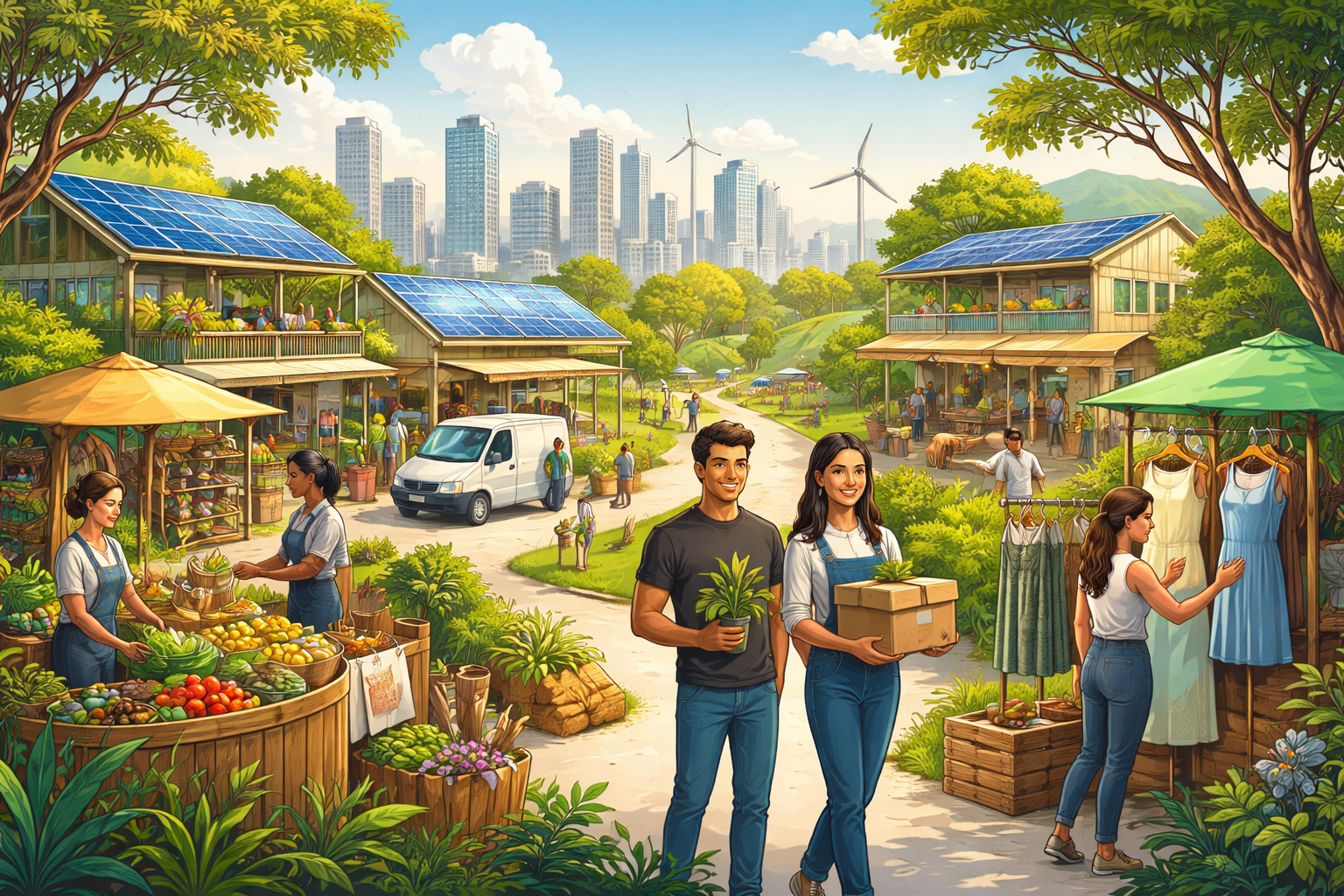
In recent years, sustainable entrepreneurship has emerged as one of the most dynamic and impactful trends in the Australian business landscape. As consumers become increasingly concerned about the environmental and social implications of their purchasing decisions, businesses in Australia are rising to meet these expectations by embracing sustainability in all aspects of their operations. From innovative start-ups to established corporations, the trend towards sustainable entrepreneurship is reshaping the way businesses operate and engage with their communities.
One of the most prominent aspects of sustainable entrepreneurship in Australia is the focus on reducing environmental impact. Entrepreneurs are adopting practices that minimize waste, reduce carbon footprints, and promote the use of renewable energy sources. Many businesses are shifting towards using sustainable materials in their products and implementing circular economy principles to ensure that resources are reused and recycled. This approach is particularly prevalent in industries such as fashion, food production, and construction, where the environmental impact has been traditionally high.
In the fashion industry, for example, brands like Outland Denim have gained significant attention for their commitment to sustainability. Outland Denim produces high-quality jeans while ensuring that their entire supply chain adheres to ethical and environmentally friendly practices. From using organic cotton to providing fair wages to workers in developing countries, Outland Denim demonstrates how sustainable entrepreneurship can be both profitable and impactful. This model has gained widespread recognition and is becoming an example for other fashion brands to follow.
In the food sector, Australian entrepreneurs are increasingly focused on creating plant-based products that offer consumers more sustainable alternatives to traditional animal-based products. Brands like Impossible Foods and Fable Food Co. have developed plant-based products that closely mimic meat, providing a solution to the environmental challenges posed by livestock farming. By offering alternatives that reduce the need for intensive animal agriculture, these companies are playing a key role in addressing climate change and resource depletion.
The construction industry is also experiencing a wave of innovation, with sustainable building practices gaining popularity. Many construction companies in Australia are incorporating green building techniques, such as using energy-efficient materials and minimizing waste during the construction process. These practices not only reduce the environmental impact of construction projects but also contribute to the long-term sustainability of the built environment. Eco-conscious developments are becoming more common, with projects like green office buildings and residential communities designed with sustainability in mind.
Another important aspect of sustainable entrepreneurship in Australia is social responsibility. Entrepreneurs are increasingly focused on creating businesses that have a positive social impact, addressing issues such as inequality, education, and access to basic services. Social enterprises, which combine profit-making with social impact, are growing in number across Australia. Businesses such as Thankyou, which sells products with the mission of addressing global poverty, are perfect examples of how businesses can operate for a greater cause while being financially viable.
The government has also played a key role in fostering sustainable entrepreneurship through policies and incentives designed to support green technologies and sustainable business practices. Tax credits, grants, and funding for innovative green projects have helped entrepreneurs turn their sustainable ideas into viable businesses. With Australia’s commitment to reducing carbon emissions and increasing the use of renewable energy, these initiatives are expected to continue shaping the future of sustainable entrepreneurship in the country.
Sustainable entrepreneurship in Australia represents a forward-thinking approach to business, where profit is not the only metric for success. Entrepreneurs who prioritize sustainability are creating businesses that not only contribute to a greener, fairer world but also resonate with a growing base of socially conscious consumers. As more businesses embrace sustainability, Australia’s economy will continue to evolve towards a more sustainable and socially responsible future.